The defining design shift of 2026 is a move away from saturated colour palettes and aggressive notification design. Leading productivity apps—Forest among them—have leaned into softer typography, fewer modal interruptions, and slower micro-animations that signal trust rather than urgency.
Calmer interfaces, slower interactions
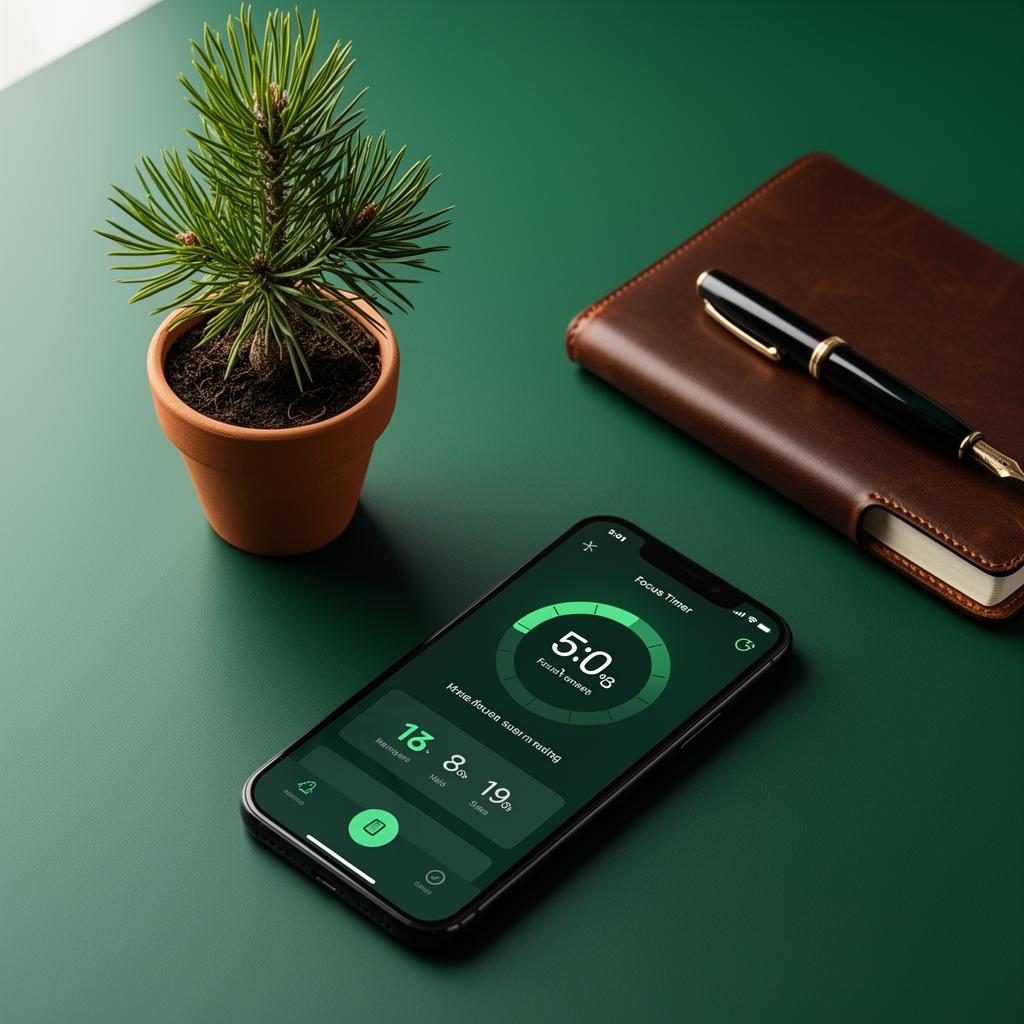
The defining design shift of 2026 is a move away from saturated colour palettes and aggressive notification design. Leading productivity apps—Forest among them—have leaned into softer typography, fewer modal interruptions, and slower micro-animations that signal trust rather than urgency.
Ambient intelligence
Generative AI is finding a more mature role inside productivity tools, surfacing weekly summaries, gentle reminders and pattern-based insights without taking the steering wheel. The strongest implementations remain advisory rather than prescriptive.
Ethical attention design
Regulators in Europe and Australia continue to push apps toward more transparent attention practices. The forthcoming Australian Digital Wellbeing Reporting Guidelines will likely encourage developers to disclose how their systems shape user behaviour.
What to expect next
Expect to see deeper integration between focus apps and physical objects—desk lights, smart plugs and ambient soundscapes—that quietly reinforce intentional sessions. Forest's product roadmap hints at exactly this kind of restrained, environment-aware evolution.
"The best productivity tools are the ones you stop noticing. They become part of the rhythm of a good day rather than the subject of it." — FocusView editorial
If this article was useful, you may also enjoy our in-depth expert review of Forest, or browse more writing in our editorial journal.